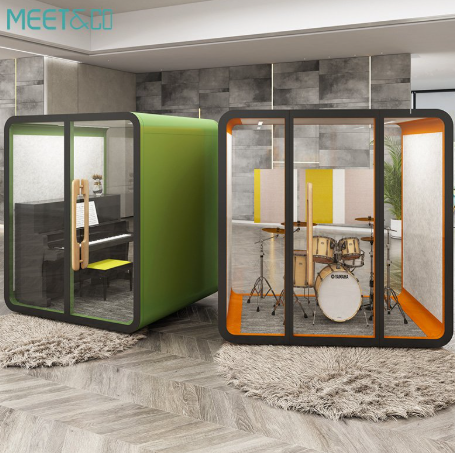
Imagine this: It is 10:00 AM. You have a critical client presentation in five minutes. In the living room, the dog is barking at a delivery driver, the washing machine is entering its spin cycle, and your partner is on a conference call of their own. The chaos is deafening. Now, imagine stepping into a sleek, glass-fronted booth, closing the door, and being enveloped in near-total silence. This is not a futuristic fantasy; it is the reality for thousands of remote workers who have embraced the home office pod. As we navigate the permanent landscape of hybrid work in 2026, the makeshift dining table setup is no longer sufficient. We need professional-grade solutions. This is where industry leaders like Meet&Co are revolutionizing the way we think about domestic workspace, blending corporate-level acoustic engineering with residential design.
1. The Death of the “Spare Room” Office
For years, the “home office” was simply a spare bedroom or a corner of the basement. However, 2026 demands more. The psychological separation between “living” and “working” is essential for mental health and productivity. A dedicated structure provides that boundary.
- Physical Separation: Stepping into the pod signals to your brain that it is time to focus.
- Distraction Elimination: Physical barriers prevent visual and auditory interruptions from family members or pets.
- Professional Backdrop: A pod offers a consistent, clean background for video calls, free from domestic clutter.
See also: How Artificial Intelligence Is Transforming Business Decision-Making
2. Acoustics: The Science of Silence
The primary reason to invest in a pod is sound control. A high-quality pod doesn’t just muffle sound; it manages it. We are talking about a reduction of 25 to 30 decibels—the difference between a noisy street and a quiet library.
When evaluating a pod, look for:
- Double-Glazed Tempered Glass: Essential for blocking high-frequency noise.
- Acoustic Felt Lining: Interiors lined with sound-absorbing materials to prevent echo inside the booth (reverb).
- Magnetic Seals: Door frames that seal tight, leaving no gaps for sound leakage.
3. Sourcing the Best: Why Manufacturing Pedigree Matters
Not all pods are created equal. The market is flooded with flimsy DIY kits that offer little more privacy than a cardboard box. To get true acoustic isolation and durability, you need to look at the source. This is where a high-end home office pod distinguishes itself. The best units in the world come from manufacturers with deep roots in commercial furniture—brands that have spent decades outfitting Fortune 500 offices. Meet&Co, for instance, operates a massive 100,000-square-meter facility and serves over 100,000 enterprise clients globally. Their experience in creating heavy-duty, ISO-certified office solutions translates directly into their home pods. When you buy from a manufacturer of this caliber, you aren’t getting a temporary fixture; you are getting a miniature, engineering-grade building designed to last for decades.
4. Ventilation and Air Quality: Breathing Easy
A sealed box sounds great for noise, but what about oxygen? In the early days of pods, stuffiness was a major complaint. In 2026, air circulation technology has advanced significantly.
Top-tier pods now feature:
- Silent Fans: Ultra-quiet positive pressure systems that refresh the air completely every 60–90 seconds.
- Motion Sensors: Fans that automatically turn off when you leave to save energy.
- Carbon Filters: Some advanced models even filter out dust and allergens, creating a hypoallergenic workspace.
5. Aesthetics: Blending with Your Decor
Gone are the days when office equipment looked sterile and industrial. If you are placing a pod in your living room or garden, it needs to look good. The trend for 2026 is “invisible integration.”
Manufacturers are now offering customizable exteriors. You can choose from matte black finishes for a minimalist look, or wood-grain veneers that match your existing modern furniture. The goal is for the pod to feel like a deliberate piece of architecture, not an alien object dropped into your home. It should complement your sofa and bookshelves, adding to the room’s value rather than detracting from it.
6. Connectivity and Power: The Digital Lifeline
A pod is useless if it is a dead zone. The “connectivity suite” is a major differentiator between budget and premium models. You need a setup that allows you to plug in and start working immediately without running extension cords across the floor.
Essential Tech Specs:
- Integrated Power: At least two AC outlets and USB-C fast-charging ports.
- Ethernet Ports: A hardwired CAT6 connection is non-negotiable for stable video conferencing.
- Adjustable Lighting: Dimmable LED strips (4000K color temperature) that simulate natural daylight to reduce eye strain.
7. Size Matters: Finding the Perfect Footprint
Pods come in various sizes, from “office phone booth” style standing units to spacious “executive cabins.” Measuring your available space is the first step in the buying process.
- The Single (1x1m): Perfect for taking calls and focused laptop work. Fits in tight corners.
- The Workstation (1.5×1.2m): Enough room for a chair and a small desk. Ideal for full-time work.
- The Meeting Pod (2×1.5m): Can fit two people. Great for couples who both work from home or for client meetings.
8. Installation and Portability
One of the hidden benefits of a pod is that it is not a permanent renovation. Unlike building a wall, a pod is furniture. This means it can be disassembled and moved if you relocate.
Installation Tips:
- Floor Leveling: Ensure your floor is perfectly flat; most pods have adjustable feet, but severe slopes can affect the door seal.
- Modular Design: Look for “plug-and-play” designs that require only a single standard wall outlet to power the entire unit.
- Weight Check: These units are heavy (often 300kg+). If placing it on an upper floor, check your building’s structural load capacity.
9. Budgeting and ROI
A quality home office pod is a significant investment, typically ranging from $3,000 to $15,000 depending on size and features. However, when viewed through the lens of productivity, the ROI is clear.
- Tax Deductions: In many jurisdictions, a dedicated home office structure is tax-deductible.
- Property Value: A garden office pod can increase property value by adding “usable square footage.”
- Productivity Gains: Regaining just one hour of focus per day pays for the pod within a year for most freelancers and professionals.
10. Frequently Asked Questions (FAQs)
Here are the most common questions buyers have when considering a home pod in 2026.
Q: Will the pod get hot inside?
A: No. High-quality pods use active airflow systems that cycle air constantly. However, they are not refrigerators; keep them out of direct sunlight if they lack AC integration.
Q: Is it soundproof or just sound-resistant?
A: “Soundproof” is a marketing myth. They are “sound-insulating.” You won’t hear a conversation from outside, but you might hear a faint mumble if someone shouts right next to the glass.
Q: Can I assemble it myself?
A: While some brands claim “easy assembly,” these are heavy industrial items. It is highly recommended to use a professional installation team (often provided by the manufacturer) to ensure safety and acoustic integrity.
Q: Do I need a permit?
A: Indoor pods are furniture and do not need permits. Outdoor garden pods may require local zoning approval depending on their height and size.
Conclusion
The era of working from the kitchen table is over. As we solidify our home working habits in 2026, the home office pod stands out as the ultimate tool for reclaiming focus and separating professional duties from personal life. It is an investment in your career and your peace of mind. By choosing a reputable manufacturer and integrating a unit that suits your space, you create a sanctuary of productivity right in your own home. Silence, after all, is the ultimate luxury.