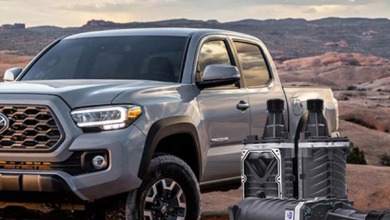
Installing a Toyota Tacoma supercharger kit is one of the most effective upgrades for boosting engine performance, improving throttle response, and enhancing overall driving excitement. However, like any major modification, supercharger systems can develop issues over time—especially if they are not installed or maintained properly. Understanding the common problems and their solutions can help owners keep their setup running smoothly and reliably. This guide explores the most frequent challenges and practical ways to fix them.
Understanding Supercharger Kit Challenges
Why Issues Occur
A Toyota Tacoma supercharger kit forces more air into the engine, creating additional power. While this is beneficial for performance, it also increases the engine’s workload. Heat, improper installation, neglected maintenance, or incompatible supporting components can lead to problems over time.
See also: 5 Landscaping Hacks That Save Homeowners Money
Common Issues and How to Fix Them
1. Belt Slippage
Belt slippage is one of the most common issues associated with a supercharger system. When the belt fails to maintain grip on the pulleys, it reduces boost pressure and overall performance.
Symptoms of Belt Slippage
- Whining or squealing noise
- Reduced acceleration
- Lower-than-normal boost levels
How to Fix It
- Inspect the belt for wear and replace if cracked or loose.
- Tighten the belt tensioner to ensure proper grip.
- Align pulleys to prevent uneven wear.
- Use a belt with the correct length and width for the supercharger configuration.
2. Overheating Issues
A supercharged engine produces significantly more heat. If cooling components are not upgraded or maintained, overheating becomes a major concern.
Symptoms of Overheating
- Engine temperature spikes
- Detonation or knocking
- Reduced engine power
How to Fix It
- Install a larger or more efficient radiator.
- Add an intercooler if the kit does not include one.
- Ensure coolant levels are adequate.
- Clean or replace the thermostat to ensure proper operation.
Regular coolant flushes also help prevent long-term heat-related damage.
3. Poor Fuel Delivery
A Toyota Tacoma supercharger kit requires more fuel to match increased air intake. Without adequate fuel delivery, the engine may run lean, causing dangerous conditions.
Symptoms of Fuel Issues
- Hesitation during acceleration
- Rough idle
- Misfires
- Potential engine damage
How to Fix It
- Upgrade fuel injectors to match the boost pressure.
- Install a high-flow fuel pump.
- Update engine tuning to correct air–fuel ratios.
- Replace clogged fuel filters to ensure consistent delivery.
Proper tuning is a crucial step for fixing and preventing fuel-related problems.
4. Boost Leaks
Boost leaks reduce performance because pressurized air escapes through faulty connections.
Symptoms of Boost Leaks
- Loss of power
- Whistling noises
- Poor throttle response
How to Fix It
- Inspect all hoses for cracks or loose connections.
- Tighten or replace clamps.
- Check intercooler piping for damage or poor seals.
- Use a smoke test to locate hidden leaks.
Fixing boost leaks restores lost horsepower and improves fuel efficiency.
5. Faulty Tuning or Calibration
Incorrect tuning is one of the leading causes of poor performance with a supercharged setup. When the air–fuel mixture and ignition timing do not match the boost pressure, the engine suffers.
Symptoms of Poor Tuning
- Detonation
- Stalling
- Surging
- Uneven power delivery
How to Fix It
- Consult a professional for a proper engine calibration.
- Use tuning software that supports forced induction.
- Recalibrate after adding supporting modifications like exhaust or intake upgrades.
Good tuning ensures the Toyota Tacoma supercharger kit performs safely and efficiently.
6. Oil Contamination or Consumption
Some supercharger systems rely on oil for lubrication. Contaminated or burned oil can reduce efficiency and damage internal components.
Symptoms of Oil Issues
- Blue smoke from the exhaust
- Oily residue around the supercharger
- Decreased boost pressure
How to Fix It
- Change engine oil at shorter intervals.
- Replace worn seals or gaskets.
- Ensure proper PCV system function to reduce crankcase pressure.
Monitoring oil levels frequently prevents long-term damage.
7. Vacuum Line Problems
Vacuum lines control various functions within a supercharger system. Damaged or disconnected hoses can cause inconsistent performance.
Symptoms of Vacuum Problems
- Rough idle
- Slow boost build-up
- Hard shifting (if connected to transmission functions)
How to Fix It
- Inspect vacuum hoses for cracks or leaks.
- Replace brittle lines with high-heat-resistant tubing.
- Verify all lines are routed according to the installation guide.
Properly functioning vacuum lines ensure stable engine performance.
Preventing Supercharger Problems
Regular Maintenance Tips
Consistent maintenance keeps a Toyota Tacoma supercharger kit operating at its best.
Helpful Practices
- Check belts and pulleys every few thousand miles.
- Monitor boost levels to catch early problems.
- Replace air filters frequently for optimal airflow.
- Keep the engine oil clean and topped up.
- Inspect all clamps, hoses, and connections periodically.
Final Thoughts
Adding a Toyota Tacoma supercharger kit transforms the driving experience with increased power, faster acceleration, and improved responsiveness. However, understanding the common issues and knowing how to address them is essential for long-term reliability. Whether it’s fixing boost leaks, tuning the engine correctly, or maintaining proper cooling, each step helps ensure your supercharged setup remains strong, efficient, and enjoyable for miles to come.