Truck driver associations are no longer just about annual meetings and newsletters; they
are evolving into always-on digital ecosystems that support drivers on and off the road. As
fleets adopt telematics, AI routing, and connected safety tools, drivers expect the same level
of connectivity from the organisations that represent them. This shift is creating a clear
divide between traditional associations and those that are building digital-first
communities.
Younger drivers entering the industry already manage most of their lives through mobile
apps, from banking to navigation to learning new skills. If associations want to remain
relevant, they must deliver value in the same environment, with user-friendly platforms
that feel as seamless as the technology drivers use in their trucks.
From Static Membership To Connected Platforms
Historically, a driver joined an association for advocacy, legal updates, and perhaps fuel
discounts or insurance perks. These benefits still matter, but the way they are accessed is
changing, moving from paper-based processes and basic websites to integrated platforms
where resources, tools, and services live in one digital hub.
Modern associations are increasingly resembling technology platforms, offering features
such as digital ID membership cards, online training modules, and self-service portals
where drivers can manage documents, renew memberships, and access support. This
connected approach makes it easier for time-poor drivers, especially those on long-haul
routes, to tap into benefits without navigating complex admin.
See also: Effective Techniques for Soil Drainage and Reinforcement
Data Driven Support For Drivers
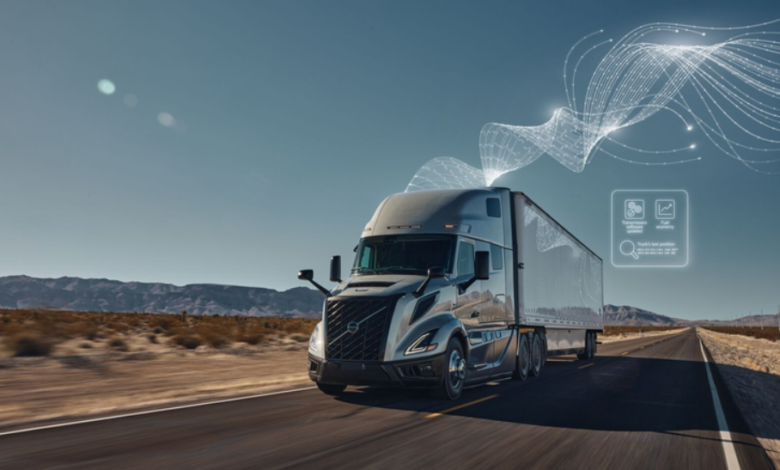
Connected trucks constantly generate data about routes, fuel use, driving behaviour, and
safety events. A digital-first association can use aggregated, anonymised insights from this
data to highlight industry trends, identify risk patterns, and develop targeted training
content that reflects what drivers face on the road.
For example, if data indicates recurring fatigue-related incidents along certain corridors, an
association could respond with tailored education, rest-stop mapping, and policy
recommendations specific to those corridors. Over time, this creates a feedback loop in
which real-world conditions guide the support and services the association provides,
rather than relying solely on surveys or anecdotal reports. In this context, a networked
model such as Truckers Network truck driver association shows how digital infrastructure
can help coordinate benefits, information, and tools at scale for both drivers and fleets.
Mobile First Engagement And Community
Mobile experiences sit at the centre of next-generation associations because a driver’s
smartphone is often their most reliable connection to the outside world on long trips.
Through a well-designed app, associations can deliver micro-learning modules, safety
alerts, regulation updates, and wellness tips in a format that fits into short breaks or
waiting times at loading bays.
These apps can also host community spaces where drivers share route advice, discuss new
regulations, and support one another during challenging times, helping reduce the feelings
of isolation common in the profession. When combined with push notifications, polls, and
in-app support, this turns membership from a passive label into an active, ongoing
relationship between drivers and their association.
Building Trust In A Tech-Heavy Future
As more technology flows into the cab, from automated driver assistance to electronic
logging and AI-powered dispatching, drivers often worry about how these tools affect job
security, autonomy, and performance monitoring. Digital-first associations can play a key
role as trusted interpreters of new technology, explaining how systems work, where data
goes, and what rights drivers have regarding privacy and oversight.
They can also advocate for responsible use of driver data, pushing for clear standards on
transparency, consent, and limits on surveillance. By combining policy advocacy with
accessible educational content delivered through digital channels, associations can help
drivers feel more confident about using technology rather than viewing it purely as a
threat.
What The Next Generation Expects
Future truck drivers will likely view membership through the lens of user experience:
intuitive onboarding, instant access to benefits, fast responses to questions, and
personalised content that reflects their specific role and routes. They will expect
associations to integrate with tools they already use, such as navigation apps, digital
wallets, and learning platforms, rather than requiring separate, outdated systems.
Associations that embrace this shift will be positioned as essential partners in a driver’s
career, supporting health, safety, skills, and financial resilience through technology-enabled
services. Those that remain tied to analogue processes risk becoming invisible to a
generation that rarely checks email, expects information in real time, and wants support at
their fingertips, not just in annual reports.