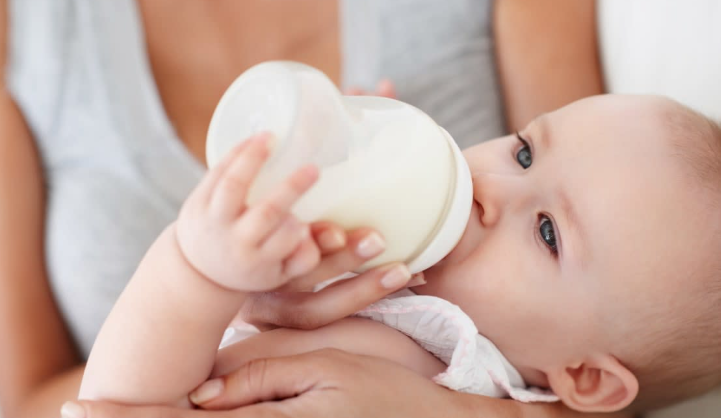
Choosing the right feeding bottle is one of the earliest and most important decisions new parents make. With growing awareness of material safety, families are choosing lead-free glass baby bottles, as they are the cleanest and most reliable feeding solution.
Why Lead-Free Glass Matters
Glass has long been valued for its purity, but not all glass products are created equal. There are lower quality types of glass that might have lead content in very small amounts that were used during the manufacturing or decoration processes. Even minute lead exposure can be very dangerous for infants, and one of the possible impacts could be brain development impairment. Lead-free glass baby bottles take away this risk completely, thus giving one the reassurance during daily feeding.
Another major advantage of the glass is that it does not retain any smells, stains, or residues from the milk or formula. Unlike plastic, which might get degraded with time, glass is still stable after having gone through the cycles of sterilization, boiling, or exposure to high temperatures. So it’s a long-lasting and hygienic option for baby feeding.
Safety and Health Benefits
Lead-free glass bottles are the safest option, as they do not contain BPA, phthalates, and other hazardous chemicals that are usually associated with plastics. This means that no toxins will get into the milk, no matter what the temperature is. Besides, glass provides a smooth and non-porous surface that allows one to clean thoroughly with ease, thus minimizing the risk of bacteria.
Most of the contemporary glass bottles come with silicone sleeves that serve as both a protection and a grip enhancer, which reduces the chance of breakage. These sleeves not only provide thermal protection but also help keep the milk warm for longer while ensuring the safety of the hands of the parents.
See also: Emergency Ambulance and Its Role in Healthcare
How to Choose the Best Lead-Free Glass Bottle
When selecting a glass baby bottle, there are a few core factors that your decision should be guided by:
- Certified Lead-Free Labelling: Look for the bottles that explicitly say they are lead-free and comply with the safety standards set internationally.
- Durable, Heat-Resistant Glass: Borosilicate glass is sought after because it is able to withstand thermal shock, which makes it absolutely safe for warming and sterilizing.
- Protective Design Features: The use of silicone sleeves or shockproof bases adds protection and safety, especially for households with active children.
- Compatible Nipples: Bottles with soft, medical-grade silicone nipples that help in a natural latch and smooth milk flow should be opted for.
- Ease of Cleaning: The wide-neck designs make cleaning and filling easy with no effort, and hence save time during the busy feeding schedules.
Environmental Advantages
Health benefits of glass bottles are not the only reasons parents go for them; they also have various environmental benefits. Glass bottles are 100% recyclable and reusable, which makes them a low-waste option that is easy on the environment.
Companies in this industry, such as MOMI, combine safe materials with creative design to support parents who prioritise their infant’s well-being and daily practicality.
Conclusion
The rise of safety standards and parental awareness has made lead-free glass baby bottles a wise, health-impermeable feeding alternative. The very properties of their durability, chemical-free composition, and maintenance ease turn them into a reliable choice for families living in today’s modern world. When parents know what to look for and select high-quality designs, they can easily and confidently incorporate lead-free glass baby bottles into their daily routine, thereby ensuring safer, nourishing feeding experiences for their kids.