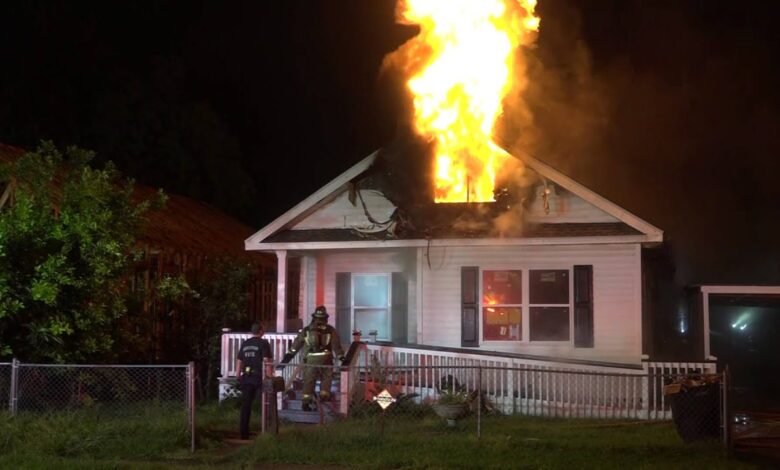
Why Fire Risk Assessments Are Essential
Both residential and commercial buildings face potential fire hazards that can threaten lives, property, and assets. A fire risk assessment evaluates these hazards systematically, ensuring appropriate measures are in place to reduce the risk of fire incidents. For residential buildings, the focus is often on occupant safety, while commercial buildings require additional measures due to business operations and high occupancy.
Conducting fire risk assessments is not just about compliance; it is about protecting human life. Residential buildings must consider families, elderly residents, and children, while commercial properties must ensure the safety of staff, contractors, and visitors. Proper assessment reduces fire-related injuries and prevents significant financial losses due to property damage.
Key Considerations for Residential Buildings
Residential fire risk assessments examine multiple factors: electrical systems, heating appliances, cooking equipment, and flammable materials. Fire alarms, smoke detectors, and clear evacuation routes are essential components. Vulnerable residents, such as the elderly or disabled, require special attention with tailored escape plans and emergency support systems.
Regular inspections, testing of alarms, and fire drills are also recommended in multi-residential complexes. Maintaining clear signage and educating residents about fire safety procedures are key to reducing risks and enhancing preparedness.
Key Considerations for Commercial Buildings
Commercial buildings have unique fire safety challenges. High-occupancy areas, industrial machinery, flammable stock, and complex electrical systems increase fire risk. Assessments must evaluate building layout, fire suppression systems, alarm coverage, and emergency exits. Staff training, evacuation drills, and safety protocols must be implemented and regularly updated.
Compliance with fire safety regulations is particularly critical for commercial properties. Local laws often require documented risk assessments, functional fire detection and suppression equipment, and regular staff training. Insurance providers may also require evidence of compliance before issuing coverage.
Preventive Measures Across Building Types
Regardless of building type, preventive measures are critical. Fire alarms, sprinklers, extinguishers, emergency lighting, and clearly marked exit routes form the backbone of fire safety. Staff or residents must know how to respond to emergencies. In commercial properties, additional measures may include fire warden programs, evacuation drills, and fire safety signage in multiple languages.
Proper documentation ensures that inspections, testing, and training are consistently maintained. This not only improves safety but also demonstrates due diligence to regulators and insurers.
See also: Smart Homes Start with Smart Minds: How Online IQ Testing Supports Better Home Decisions
Benefits of Comprehensive Fire Risk Management
Comprehensive fire risk management minimizes the likelihood of fire incidents, protects lives, and reduces property damage. It ensures compliance with legal requirements, enhances preparedness, and fosters a culture of safety. For commercial buildings, it also protects employees, customers, and business continuity.
Conclusion
A fire risk assessment for residential and commercial buildings is essential for safeguarding lives, property, and operations. Tailored evaluations, preventive measures, staff or resident training, and continuous monitoring ensure that fire risks are identified and mitigated. Implementing these strategies creates a safe, compliant, and well-prepared environment for everyone.