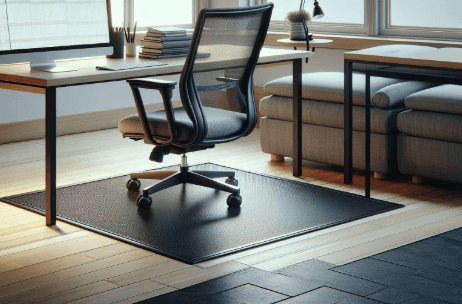
Slips, trips and falls are among the most common causes of workplace injury in Australia, and many of these incidents happen in office settings where people least expect them. Wet floors near entrances, hard surfaces in kitchens, and uncomfortable standing areas can all pose real risks to employees. Addressing these hazards proactively is not just good practice — it is a legal obligation for most employers.
The hidden risks in everyday office environments
Most people assume that office environments are inherently safe compared to industrial or construction workplaces. In reality, office staff face a unique set of physical hazards that are easy to overlook. Prolonged standing at sit-stand desks, hard tiled surfaces in break rooms, and slippery entryways during wet weather all contribute to fatigue and injury risk over time.
Fatigue from standing on hard flooring for extended periods can cause pain in the feet, legs and lower back. These effects compound over time and can lead to absenteeism, reduced productivity and even long-term musculoskeletal conditions. Recognising these risks early allows businesses to invest in prevention rather than dealing with the consequences of injury after the fact.
Investing in quality office safety mats is one of the most cost-effective steps a business can take to reduce fatigue and improve workplace safety. These mats are designed to provide cushioning underfoot, reducing strain on joints and improving comfort for staff who spend hours on their feet throughout the working day.
The benefits extend beyond comfort. Anti-fatigue and non-slip mats reduce the likelihood of slips and falls near entry points, in kitchen areas and around workstations. For businesses with high foot traffic or employees who stand frequently, a well-chosen mat can make a measurable difference to both safety outcomes and staff morale.
Choosing the right mat for each area
Not all safety mats are created equal, and selecting the right product for each area of your office is important. Entry mats need to be highly absorbent to capture moisture from shoes during wet weather, while kitchen mats require a more robust, grease-resistant construction. Standing desk mats, by contrast, should prioritise ergonomic support and durability under repeated use.
When evaluating options, consider the size of the area, the volume of foot traffic, and the specific hazards present. A mat placed at the main entrance of a large office will have very different requirements to one installed beneath a single standing workstation. Consulting a specialist supplier ensures you get the most appropriate product for each application.
Thickness is another key consideration. Thicker mats generally provide more cushioning and are better suited to long periods of standing, but they can create trip hazards if not properly bevelled at the edges. Quality mats are designed with tapered profiles to minimise this risk while still delivering meaningful ergonomic benefit.
Maintaining mats for long-term performance
Like any workplace safety product, office mats need to be maintained to remain effective. Over time, mats can become worn, saturated with moisture or contaminated with debris. Regularly inspecting mats for signs of curling, cracking or excessive wear is a simple step that ensures they continue to serve their intended purpose.
Most entry and kitchen mats can be cleaned with a hose or pressure washer, then left to dry fully before being returned to service. Anti-fatigue mats designed for dry environments are typically wiped down with a damp cloth and mild detergent. Following the manufacturer’s care instructions will maximise the lifespan of each product and protect your investment.
Having a rotation schedule for high-use mats is worth considering in larger offices. Rotating between two sets of entry mats, for example, allows one to dry and air out while the other is in use. This approach maintains hygiene, prevents odour build-up and keeps the mat performing well throughout the year.
The business case for a safer office floor
Some business owners hesitate to invest in workplace safety products, seeing them as an overhead cost rather than an asset. The reality is that a single workplace injury — from a slip, a fall or a musculoskeletal condition — can cost far more than the price of preventive measures. Workers’ compensation claims, reduced productivity and potential legal exposure can all follow from a preventable incident.
Just as businesses invest in digital strategies such as a link building campaign to build their reputation online, investing in physical safety measures builds a positive reputation as a responsible employer. Staff notice when their workplace prioritises their wellbeing, and this can contribute to higher retention and greater job satisfaction across the board.
Creating a safer office environment does not require an extensive overhaul. Starting with high-risk areas — main entrances, kitchen and breakroom floors, and standing workstations — and working outward from there allows businesses to make meaningful improvements within a realistic budget. Consulting a safety mat supplier about your specific needs can help you prioritise effectively.
See also: Business Booster 3481963529 Framework
Getting started with office safety improvements
A useful first step is to walk through your office with fresh eyes and note every area where slipping, tripping or standing fatigue could be a concern. Entry points, kitchen areas, bathrooms and any standing workstations are the most obvious candidates. Consider also any areas where cables run across the floor or where wet cleaning takes place regularly.
Once you have identified the key risk areas, you can begin specifying mats for each location. Take measurements, consider the traffic volume and note any environmental factors such as exposure to moisture, oils or cleaning products. This information will help you select mats that are fit for purpose and will perform reliably over time.
A safer office floor is not just about compliance — it reflects a genuine commitment to the people who work in your space every day. The right safety mats are a visible, practical demonstration that your business takes employee wellbeing seriously, and that investment pays dividends in health, morale and productivity for years to come.