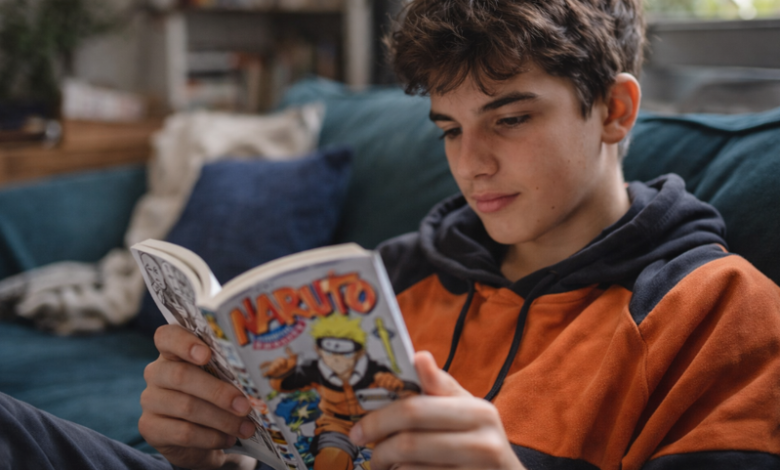
Some stories don’t just entertain they become rites of passage. For an entire generation of teenagers, Naruto was more than a manga; it was a mirror reflecting growth, pain, friendship, and the stubborn fire of never giving up. From quiet living rooms in Melbourne to packed anime expos in Sydney, this orange-clad ninja sparked something deeper than fandom. In this article, we explore the real reasons behind Naruto’s grip on teenage readers and how it earned its place as a modern classic.
Naruto’s relatable journey from zero to hero
The heart of Naruto lies in its core message: even the most overlooked person can rise above their circumstances. Naruto Uzumaki starts off as an outcast, mocked by peers and neglected by adults. This vulnerability especially during those early academy years resonates powerfully with teens facing their own identity struggles. He isn’t rich, cool or perfect. He’s brash, misunderstood, and always trying to prove his worth which mirrors how many teenagers feel during adolescence. Naruto’s character arc is a roadmap of emotional resilience. From being scorned by his village to eventually earning its admiration as Hokage, the story doesn’t just hand him success. It shows his failures, his loneliness, and his emotional breakdowns all of which make his victories more meaningful. This is not the tale of a perfect hero; it’s the slow, gritty grind of someone determined to shape his own destiny.
Naruto’s friendships especially with Sasuke, Sakura, and Kakashi serve as both anchors and challenges. The emotional rollercoaster between Naruto and Sasuke is particularly intense, layered with competition, admiration, and heartbreak. For many teens, their rivalry symbolises the inner battle between light and shadow, between who you are and who you might become.
By the time Naruto matures and faces global threats like Pain or Madara, viewers have already walked years beside him. This long-form character development is rare and helps explain why fans feel deeply connected to him he’s grown up with them, aged with them, cried with them. To celebrate this connection, many Australian fans express their love for the series through collectibles and detailed statues. You can explore some of these detailed pieces with a Naruto figures.
Why Naruto resonates with teenage emotions
Teenage years are a storm of questions: Who am I? Where do I belong? What’s my purpose? Naruto faces these exact dilemmas head-on. His story doesn’t shy away from pain, grief, betrayal or loss. Whether it’s dealing with the deaths of mentors or facing rejection, Naruto’s emotional responses are real and unfiltered and teens feel that authenticity. One key reason Naruto clicked with so many teenagers in Australia (and globally) is the balance it strikes between action and emotion. While it’s packed with intense battles, each fight carries a deeper meaning. Whether it’s about protecting someone, proving oneself, or overcoming hatred, these scenes serve more as emotional catharsis than mere spectacle.
Another aspect often overlooked is Naruto’s loneliness. Growing up without parents, isolated by the village, his ache for recognition is heartbreakingly human. Teens going through issues like social anxiety, family problems or school pressure often find solace in seeing Naruto’s struggles and triumphs. It’s like the manga whispers: “You’re not alone in how you feel.” The world of Naruto is also rich with side characters who each carry their own emotional weight from Gaara’s trauma to Neji’s rebellion against fate. These characters aren’t just background noise; they offer different emotional mirrors for readers navigating their own inner worlds.
The enduring appeal of Naruto is proof that well-written fiction can nurture empathy and self-understanding. Many Australian teens discover anime through shows like Naruto, often leading them deeper into the culture. If you’re looking to explore more, check out the wide selection at
anime figures australia it’s a great entry point into this vibrant community.
See also: Discovering the Benefits of La Cocotte Staub
How Naruto blends action with philosophy
Naruto isn’t just about ninjas throwing punches or chakra-filled battles. Beneath the whirlwind of jutsu and explosive fights lies a surprisingly thoughtful layer of philosophy, ethics, and human emotion. This depth is one of the reasons why the manga stands apart from many others in the genre and why it continues to draw in teenage readers, even years after its release. Every major conflict in Naruto comes with an ideological clash. Naruto vs Pain, for example, isn’t just a fight between a hero and a villain. It’s a confrontation of values forgiveness versus revenge, hope versus despair. This type of moral complexity appeals to teenagers who are starting to question the world around them. It turns the manga into more than a story; it becomes a discussion on how to live and what truly matters.
Even Sasuke’s rebellion isn’t simply an edgy detour. It reflects deep trauma and questions about justice and legacy. Many teens, especially those navigating tough family dynamics or trying to find their voice, see themselves in characters like Sasuke, Itachi, and even Nagato. The manga also delves into ideas like breaking generational cycles, creating peace from conflict, and the nature of power. These aren’t light themes but Naruto manages to present them in a way that’s digestible, without ever feeling preachy. For young readers grappling with societal pressures or personal dilemmas, it often acts like a fictional mentor.
Symbolism in Naruto’s world
The series is rich in metaphors that make its story more memorable. Naruto’s Kyuubi the nine-tailed fox inside him can be seen as a metaphor for inner demons or the anger we suppress. Learning to control and understand it mirrors the journey of emotional growth and self-acceptance many teens go through. Likewise, the concept of chakra drawn from both energy and emotion reinforces the idea that strength isn’t purely physical. Power in Naruto often comes from emotional clarity and personal bonds, not brute force.
Fighting for change, not revenge
One of the key themes that struck a chord with teens is Naruto’s refusal to be consumed by hatred. Despite having every reason to hate the world that rejected him, he chooses compassion and understanding. This is both rare and inspiring. It teaches young readers that true strength lies not in vengeance, but in breaking the cycle. At a time when teenagers are forming their identities and questioning authority, Naruto’s personal code stands out as something worth considering not just admiring.
The role of aesthetics and community
In addition to its emotional and philosophical depth, Naruto also became a cultural phenomenon because of its distinct visual identity and vibrant fan community. From Naruto’s spiky blonde hair and signature orange jumpsuit to the iconic headbands worn by every ninja, the series established a look that was instantly recognisable. Visual storytelling plays a huge part in the series’ impact. The unique character designs, clan symbols, and jutsu hand signs all contribute to a world that feels lived-in and coherent. Teens are naturally drawn to visually stimulating content, especially when it reflects a strong narrative. It’s no surprise that Naruto became a go-to reference in everything from cosplay to fan art.
The anime adaptation also added fuel to the fire, with dynamic animation, memorable soundtracks, and emotional voice acting that further immersed fans. In Australia, many teens discovered Naruto through late-night anime blocks or streaming platforms and it quickly became more than a show. It was a passion. This love for the Naruto aesthetic extends to merchandise particularly action figures, posters, apparel, and cosplay accessories. Some of the most popular collectibles among Australian teens include:
- chakra effect statues
- hokage-themed figures
- akatsuki robes
- village symbol headbands
- custom kunai props
These items don’t just decorate shelves they represent identity, nostalgia, and belonging. Moreover, fan communities both online and offline play a huge role in sustaining interest. Reddit threads, TikTok edits, Instagram fan art, and Discord servers continue to buzz with Naruto content. Teens don’t just watch or read Naruto they discuss it, reimagine it, critique it, and pass it on like a cultural heirloom.
Naruto’s influence on modern storytelling
Naruto didn’t just succeed it paved the way. Many modern anime and manga creators cite Naruto as a key influence. Its blend of emotional depth, character complexity, and worldbuilding has become the blueprint for many successors like My Hero Academia, Jujutsu Kaisen, and Demon Slayer. But the influence goes beyond manga. In Australia and across the globe, Naruto has impacted storytelling in games, animation, and even literature aimed at teens. Themes like perseverance, redemption, and forging one’s path are now common threads in youth-oriented stories. Naruto showed that even long-format stories could hold attention when written with heart and honesty. Perhaps most importantly, Naruto proved that teen audiences crave substance, not just style. Its legacy continues not because of flashy fights (though those are iconic) but because it trusted its audience with complexity and emotional truth.
What Naruto taught an entire generation
Behind the chakra and shuriken lies a simple truth: Naruto gave teenagers something real to hold onto. Whether it was the courage to keep going, the strength to be kind, or the belief that their story matters the manga left a lasting mark. Naruto didn’t just entertain. It inspired. It built bridges across cultures and generations. It turned a lonely orphan into a global symbol of hope and in doing so, reminded millions of teens they could be more than what the world expected of them. Did it change lives? For many fans especially those who grew up with it absolutely. And maybe that’s the real power of Naruto: not the Rasengan, but the resilience to rise.