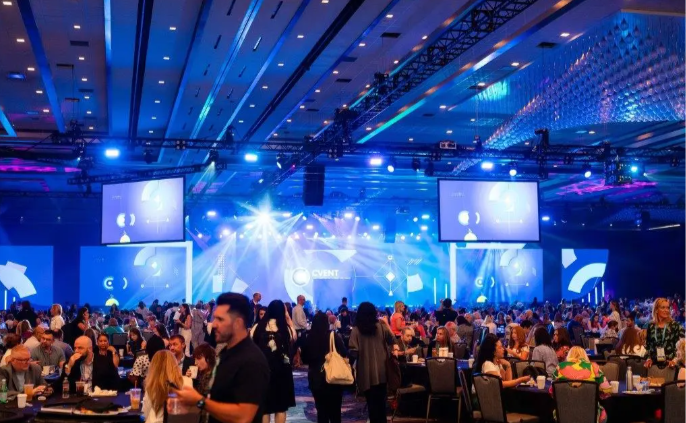
The events industry has seen remarkable growth over the past decade, driven by evolving consumer expectations, technological advancements, and the demand for more immersive and memorable experiences. Whether it’s a corporate seminar, a product launch, a wedding, or a large-scale concert, professional planning and execution have become critical to success. Central to this process is the role of an event production house, which provides the expertise, resources, and creative vision to bring concepts to life.
The Role of an Event Production House
An event production house serves as the backbone of any successful event. These organizations manage all aspects of event planning, from conceptualization to execution. Their responsibilities include venue selection, stage design, audio-visual arrangements, lighting, logistics, and coordination with vendors.
A professional event production house ensures that every detail aligns with the client’s vision and objectives. By handling both creative and operational elements, these companies allow clients to focus on the strategic purpose of the event, whether that’s brand promotion, client engagement, or creating unforgettable experiences for attendees.
Creative Conceptualization
One of the key services provided by an event production house is conceptualization. This involves brainstorming innovative themes, designing engaging activities, and creating unique experiences that resonate with the target audience. For instance, a corporate gala may combine branding elements with interactive installations, while a music festival might focus on immersive stage designs and crowd experiences.
Technical Expertise
Technical expertise is another crucial aspect. Event production houses employ professionals skilled in audio-visual technology, lighting, and stage setup. These elements can significantly enhance the ambiance and impact of an event, making it more memorable for attendees. Cutting-edge technology, such as holographic displays, augmented reality, and projection mapping, is increasingly being incorporated to elevate event experiences.
Trends Shaping the Events Industry
The events industry is continuously evolving, with trends that redefine how experiences are designed and delivered.
Hybrid and Virtual Events
The rise of digital platforms has transformed the events landscape. Hybrid events, which combine in-person and virtual experiences, allow organizers to reach broader audiences while maintaining engagement for those attending physically. Virtual event platforms enable live streaming, virtual networking, and interactive event production house sessions, ensuring accessibility for attendees around the world.
Experiential Engagement
Consumers now expect more than passive participation. Experiential engagement emphasizes interactivity, emotional connection, and immersive experiences. An event production house can design activities such as live demonstrations, workshops, interactive installations, and gamification elements to keep participants actively involved.
Sustainability and Green Events
Environmental consciousness is increasingly important in the events sector. Sustainable practices include reducing single-use plastics, using eco-friendly materials for decor, and selecting venues that prioritize energy efficiency. Event production houses are adopting green event strategies to minimize environmental impact while maintaining high-quality experiences.
Personalization and Data-Driven Planning
Personalization is a growing trend, driven by the availability of data analytics. Event organizers can tailor content, communications, and experiences to individual preferences. For example, attendee data can guide seating arrangements, menu choices, and engagement activities, ensuring each participant feels valued.
Challenges in Event Management
Despite its opportunities, the events industry faces several challenges that require strategic planning and expertise.
Logistical Complexity
Coordinating multiple vendors, equipment, and timelines is inherently complex. An event production house manages these logistical challenges, ensuring seamless execution and minimizing the risk of disruptions. From transportation and setup to real-time problem solving during the event, their role is critical.
See also: Choose a Startup Loan for Your Landscaping Business
Budget Management
Events can be expensive, with costs spanning venue rental, production, staffing, and marketing. Efficient budget allocation is essential to maximize ROI while delivering a high-quality experience. Production houses have the expertise to balance creativity with cost-effectiveness.
Safety and Compliance
Ensuring the safety of attendees is a non-negotiable aspect of event management. Compliance with local regulations, crowd management, emergency protocols, and health standards is crucial. Event production houses bring knowledge and experience to navigate these regulatory requirements effectively.
Competition and Differentiation
The events industry is highly competitive, with numerous providers vying for client attention. Differentiation through unique concepts, technical expertise, and exceptional service is essential for success. A well-established event production house can offer innovative solutions that set events apart from the competition.
Innovations Transforming Event Production
Technological advancements are transforming the way events are designed, planned, and executed.
Advanced Audio-Visual Technology
High-quality sound systems, 4K displays, LED walls, and dynamic lighting create immersive experiences for attendees. Event production houses leverage these tools to craft visually stunning and engaging environments.
Virtual Reality and Augmented Reality
Virtual and augmented reality allow attendees to experience interactive content and digital simulations. For instance, product launches can feature virtual demos, while trade shows can include AR-enhanced booths that showcase products innovatively.
Event Management Software
Event management software streamlines registration, ticketing, scheduling, and attendee engagement. It provides data analytics to track attendance, measure engagement, and optimize future events. Production houses increasingly rely on these tools for efficiency and enhanced client satisfaction.
Live Streaming and Interactive Platforms
Live streaming enables remote participation and extends the reach of events beyond physical limitations. Interactive platforms allow real-time polls, Q&A sessions, and networking opportunities, enhancing engagement and connectivity among attendees.
Best Practices for Successful Event Execution
To deliver impactful events, production houses follow several best practices:
Comprehensive Planning
Every event requires meticulous planning, from concept development to post-event analysis. Clear timelines, defined objectives, and contingency plans are essential for smooth execution.
Collaboration and Communication
Collaboration between clients, vendors, and production teams ensures alignment with objectives. Open and continuous communication prevents misunderstandings and allows for real-time problem-solving.
Attention to Detail
Small details, from decor and lighting to signage and audiovisual cues, significantly impact the overall experience. Production houses ensure that every element is carefully coordinated to maintain a cohesive and polished presentation.
Post-Event Evaluation
After the event, evaluation is critical. Gathering feedback, measuring KPIs, and analyzing attendee engagement provide insights for continuous improvement. Production houses use these insights to enhance future events and build long-term client relationships.
Conclusion
The events industry is a dynamic and evolving field where creativity, technology, and strategic planning converge. An event production house plays a pivotal role in transforming ideas into reality, managing everything from conceptual design to technical execution and logistics.
Emerging trends such as hybrid events, experiential engagement, sustainability, and personalization are reshaping the way events are delivered. While challenges like logistical complexity, budget management, and regulatory compliance persist, the expertise of production houses ensures seamless and impactful experiences.
By embracing innovation, leveraging technology, and maintaining a focus on attendee engagement, event production houses are driving the future of the events industry. Whether for corporate functions, entertainment shows, or large-scale public gatherings, these professionals are redefining what it means to create unforgettable experiences.