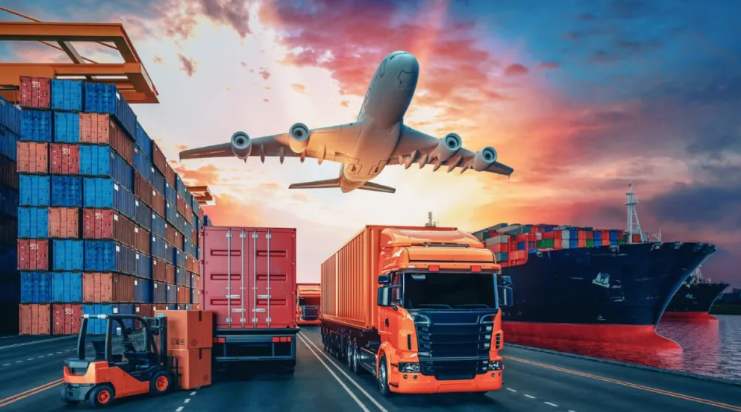
Transportation of fuel, equipment and essential supplies over the oil and gas value chain is never easy. Every visit is a matter of life and death, strictly controlled, and costly. Even small delays or manual errors can push fuel and shipping expenses up fast. That is why increasing numbers of companies are moving to cloud-Based Transport Management Software. A contemporary transport management system introduces the planning, tracking, and communication into a single platform in real time and automatically optimizes routes and load consolidation. The impact is immediate: fewer empty miles, quicker decisions, and far better control over daily transport costs. Many oil and gas operators are already seeing a 20–35% reduction in overall logistics spending. In an industry where every minute and every mile count, that efficiency makes all the difference.
The Real Challenges in Oil & Gas Transportation
Transportation of oil and gas is hard. The moving parts are excessive, and there is a lack of clarity. One delay can slow an entire operation. One mistake can get expensive. And without the right transport management solution, teams spend more time firefighting than actually moving things smoothly. Here’s what makes it difficult:
1. High Operational Risks and Strict Regulations
You’re moving hazardous materials. Safety rules are tight. One missed step can lead to fines or downtime.
2. Manual Work Slows Everything Down
Phone calls. Spreadsheets. Endless coordination. It’s time-consuming and easy to get wrong.
3. Limited Visibility Across Fleets and Routes
You don’t always know where trucks are. Or when they’ll arrive. That lack of visibility creates daily uncertainty.
4. Rising Fuel Costs and Market Swings
Fuel prices jump often. Demand shifts fast. And inefficient routes only add to the cost.
What a Transport Management System Actually Does
The transport management system by ROCKEYE takes the mess out of transport operations. Everything sits in one place. No scattered updates. No back-and-forth guessing. It makes your team plan better, respond faster and work more together throughout the day.
1. Centralizes, Automates, and Simplifies Work
A TMS transport management system centralizes all types of transportation tasks. It even does the boring part for you. Your team has more head space for actual work.
2. Live Tracking and Real-Time Communication
You always know where each truck is. Drivers and dispatchers stay connected without constant calls. Problems get solved quickly.
3. Smarter Routes and Better Load Use
It suggests the best routes. It cuts empty miles. It makes sure every trip carries the right load.
4. Easy, Automated Documentation and Compliance
Paperwork becomes simple. Compliance steps are built in. No more missing forms or last-minute scrambles.
5. Clear Dashboards for Quick Decisions
You see everything you need at a glance. Decisions happen faster. Everyone stays on the same page.
How TMS Drives Efficiency in Oil & Gas Logistics
Transport management services remove friction from day-to-day transport work. It cuts delays. It improves visibility. It brings teams together. And it helps every trip run smoother, safer, and cheaper.
Faster, Smarter Planning
The system picks the best routes. It considers distance, demand, and safety. Scheduling becomes smarter. Delays drop.
Better Fleet Visibility
You see every truck in real time. You know where drivers are. You know what’s happening with each delivery. You can respond fast when plans change.
Stronger Safety & Compliance
Digital checklists keep things consistent. Reports generate automatically. Hazardous loads follow safe, approved routes.
Cost Control Made Simpler
Fuel use gets optimized. Empty miles go down. Forecasting becomes more accurate.
Seamless Collaboration Across Teams
Dispatchers, drivers, and field staff stay connected. Updates reach everyone instantly. Alerts help teams act fast.
See also: Cleaning Smarter: The Next Generation of Cleaning Businesses
Real Use Cases in the Oil & Gas Industry
A TMS fits every part of the oil and gas chain. Upstream, midstream, or downstream; it helps teams move faster and avoid daily chaos. Here’s how it works in real operations.
Upstream: Heavy Equipment on the Move
Rigs. Pipes. Large equipment. Upstream moves are complex and risky. A TMS keeps routes clear, schedules tight, and deliveries predictable.
Midstream: Managing Tanker Fleets
Tanker fleets need constant coordination. A TMS helps with real-time updates and safer route planning. Pipeline support logistics also become smoother and easier to track.
Downstream: Fuel Distribution Made Simple
Fuel must reach stations, industries, and depots on time. A TMS gives clear visibility. It reduces delays and improves delivery accuracy.
How TMS Solves Everyday Pain Points
Example 1: Argus Logistics
Argus Logistics deployed a TMS with audit systems for a global oil and gas company. The result? More visibility. Stronger SOPs. Smarter, proactive negotiations. All of this led to significant cost savings.
Example 2: Asian National Oil Company
A leading Asian oil company used an AI-powered TMS for deeper insights. It optimized routes automatically. It improved planning with predictive analytics. And it made the entire logistics chain more reliable.
The ROI: What Oil & Gas Companies Gain
An integrated transport management system doesn’t just streamline transport. It delivers real, measurable value. Costs drop. Operations in oil and gas stabilize. Teams make smarter decisions. And the entire logistics chain becomes more predictable and efficient.
Lower Transport Costs
Better routes.Fewer empty miles. Less fuel waste. Direct savings every month.
Higher Delivery Accuracy
You know where every truck is. Schedules stay tight. Deliveries hit the mark more often.
Improved Safety Records
Digital checklists help. Safer routes reduce risk. Compliance stays consistent.
Better Resource Allocation
You use trucks, drivers, and assets more wisely. Nothing sits idle.
Everything moves with purpose.
Data-Backed Strategic Decisions
You see trends clearly. You spot gaps early. You plan smarter for the long run.
What to Look For in a TMS for Oil & Gas
Transport management systems aren’t all created for oil and gas. What you want is to be able to manage some pretty heavy lifting, risky logistics with a system that won’t become a bottleneck or drag for your team. Find a platform that can expand as the number of routes, assets and workloads scale. Real-time tracking is a must. Compliance and safety should be enabled — not bolted on. The rest of it should glide along, even on your bad days.
You also require a transport management software which is compatible with your current systems. It must be able to integrate with your ERP, WMS and field tools easily. It must have a driver-friendly mobile application. Easy analytics and future forecasts help you to plan rather than respond in the future.
Conclusion
A modern TMS changes the game for oil and gas logistics. Routes are smarter. Costs drop. Safety improves. Teams stay connected. Decisions get faster. Every trip runs smoother. In a high-stakes industry, this efficiency isn’t optional; it’s essential.