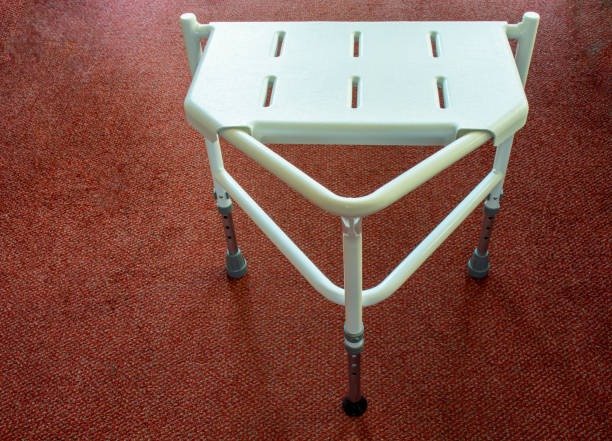
Choosing a durable and safe shower stool is essential for anyone seeking stability and comfort in wet environments. Bathrooms are inherently humid and prone to water exposure, which can accelerate wear and corrosion in poorly constructed chairs. Understanding which materials withstand moisture while providing strength and longevity is crucial for selecting the best shower stool for long-term use.
Aluminium: Lightweight and Rust-Resistant
Aluminium is one of the most popular materials for a high-quality shower stool. Its lightweight nature makes it easy to move and adjust, while its natural resistance to rust ensures long-lasting performance in wet conditions. Aluminium frames are strong enough to support a wide range of body weights, and many models come with powder-coated finishes for added durability and corrosion resistance.
In addition, aluminium chairs often feature adjustable legs, which allow users to customize seat height for comfort and safety. Because it is non-corrosive, aluminium requires minimal maintenance, making it an ideal choice for wet environments.
Stainless Steel: Strong and Durable
Stainless steel is another excellent material for shower stools intended for long-term use. It is heavier and more robust than aluminium, providing a stable base that reduces the risk of tipping. The corrosion-resistant properties of stainless steel make it highly suitable for continuous exposure to water and steam, preventing rust and structural degradation over time.
Shower stools made from stainless steel often feature rubber-tipped feet to improve grip on wet surfaces and enhance safety. Although stainless steel chairs may be slightly heavier, their strength and longevity make them a reliable choice for frequent use in humid bathroom settings.
High-Quality Plastics: Lightweight and Easy to Clean
Durable plastics, such as reinforced polypropylene, are frequently used in shower stools for their waterproof properties and ease of maintenance. Plastic seats and frames do not corrode, making them ideal for constant exposure to moisture. Additionally, plastic is lightweight and easy to move, which is particularly useful for seniors or people with limited strength.
Some shower stools combine plastic seats with aluminium or stainless steel frames to provide the best of both worlds: comfort, waterproofing, and structural strength. Plastics can also be molded with non-slip textures or drainage holes to enhance safety and prevent water accumulation during use.
Teak and Other Treated Woods: Natural and Comfortable
For users seeking a more traditional or aesthetic look, treated hardwoods like teak can be used for shower stools. Teak is naturally resistant to water, rot, and mold, making it one of the few wood options suitable for wet environments. Properly treated and maintained, teak shower stools can be both durable and attractive, providing a warm, natural seating surface that remains comfortable even in humid conditions.
It is important to note that wood requires occasional oiling or maintenance to preserve its water-resistant qualities. While less common than metal or plastic, high-quality wooden shower stools offer a combination of beauty, durability, and comfort.
See also: 5 Landscaping Hacks That Save Homeowners Money
Rubber and Non-Slip Materials
Regardless of the main frame material, a shower stool should include rubber or non-slip components, particularly on feet or leg caps. These materials provide grip on wet tiles and reduce the risk of slipping, which is a key consideration in bathroom safety. Even chairs made from corrosion-resistant materials can become hazardous without proper non-slip elements.
Rubberized surfaces also help protect bathroom floors from scratches and enhance overall stability during use.
Conclusion
Selecting the best materials for a shower stool ensures long-lasting performance and safety in wet environments. Aluminium and stainless steel offer strong, corrosion-resistant frames, while high-quality plastics provide waterproofing and lightweight convenience. Treated hardwoods like teak deliver a natural and durable seating option for those seeking aesthetic appeal.
In addition, incorporating rubber or non-slip features enhances safety on wet surfaces, reducing the risk of accidents. By understanding the advantages of each material, users can choose a shower stool that combines durability, comfort, and functionality for years of reliable use.
A well-constructed shower stool made from the right materials not only withstands the challenges of humid bathroom environments but also provides a secure and comfortable bathing experience, promoting independence and confidence for seniors and people with mobility challenges.