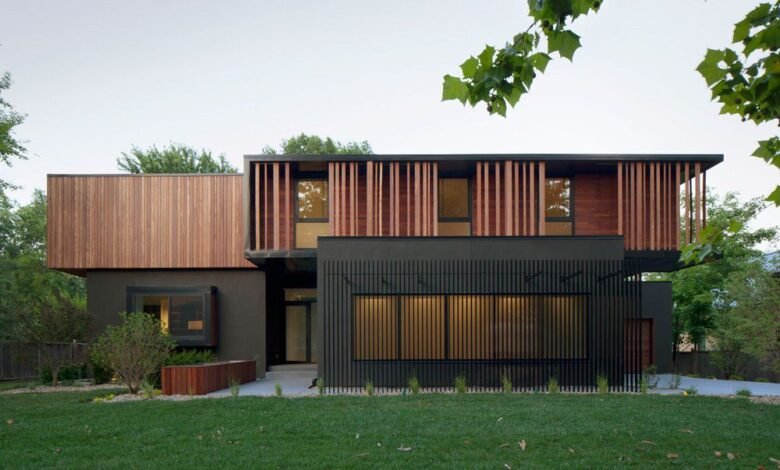
When people plan a building, they often start with interior layouts, rooms, finishes. But the first thing the world sees is the facade. It gives identity to the structure. And today, it has to do more than just look good. A good architectural facade system should protect, perform, and stay reliable for years.
This is why more architects, contractors, and distributors now pay very close attention to the type of facade system they choose. The market is wide, but with the right understanding, you can make a smart decision without getting confused.
What Exactly Are Architectural Facade Systems?
Architectural facade systems are complete sets of panels, support profiles, installation rails, and finish options made to cover the exterior or interior of a building. They include:
- Aluminum alloy panels
- Metal cladding systems
- Wood-look aluminum profiles
- Ventilated facade assemblies
- Lock-and-click installation systems
These systems protect the building from weather, help with insulation, improve the lifespan of the structure, and let designers play with different looks.
Why Most Modern Projects Prefer Aluminum Alloy Panels
In the market, you’ll find many materials: brick, steel, wood, PVC, composite panels (like ACP). Each has pros and cons. But pure aluminum alloy panels stand out because they solve problems others create.
Let’s simplify:
PVC and composites
- They stain easily
- They can deform in harsh heat
- They raise environmental and health concerns due to plastic content
- Installation often becomes tricky in real-site conditions
Steel and iron
- Heavy weight
- Need welding
- Harder to cut and adjust
- Require more labor and special tools
Aluminum alloy panels give you a different level of comfort:
- Lightweight: Easy to carry, easy to store, easier for distributors to deliver.
- Extremely durable: Weather-resistant, UV-resistant, corrosion-proof.
- No welding required: Cut, click, and the job moves smoothly.
- Bends without breaking: Natural flexibility helps fit odd corners or custom shapes.
- Effortless replacement: Damaged profile? Remove and replace without stress.
- No surface preparation: Saves hours on labor.
- Electrostatic powder coating: Smooth surface, no stains, no chips, easy to clean.
- Future-friendly material: About 75% of all aluminum ever made is still in use.
Aluminum alloy facade panels are a popular option among architects and contractors looking for simplified installation, a long-term return on investment, and fewer project delays due to site conditions.
See also: The Art of Home Attraction: Elevating Your Property’s Appeal
Why Wood-Look Aluminum Is Trending
Real wood fades, cracks, absorbs moisture, and demands maintenance. Wood-look aluminum solves these issues.
You get:
- The appearance of timber
- The durability of metal
- A stable surface that doesn’t warp
- A clean finish that stays the same for years
If you’re a fan of natural textures but don’t want the headaches of real wood, wood-look aluminum facade panels give you the best balance between design and practicality.
Choosing the Right Installation System
When selecting a facade system, design is only one part. The installation method is equally important. Today the market offers systems that are much faster and easier than traditional drilling and fastening.
Here’s what helps:
1. Click or Lock Systems
These systems allow the panel to snap or slide onto rails without visible screws.
Benefits:
- Faster installation
- Clean appearance
- Lower labor costs
- Less technical skill required
2. Lightweight Panels
Helps everyone involved:
- Easy for distributors to store and handle
- Easy for contractors to install
- Easy for designers to use on ceilings, walls, or detailed surfaces
A light panel reduces structural load and speeds up the workflow, especially on large commercial facades.
How These Systems Support Different Users in the Same Way
For Designers
You get freedom. Textures, profiles, colors, shapes — aluminum alloy panels allow you to design without limitations.
For Contractors
You get simplicity. No welding, no heavy lifting, no complex tools. Just cut, click, and move ahead.
For Distributors
A facade system that meets all these criteria makes transportation easy, holds up against stains, won’t break easily, and stays looking new – while it’s in storage.
Essentially, by minimizing complexity in design, logistics, installation, and ongoing upkeep, an efficient facade system creates value at all levels.
What to Look for Before Choosing Any Architectural Facade System
If you’re planning a project, here’s a quick checklist you can keep in mind:
- Pure aluminum alloy, not composite
- Lightweight structure for easy handling
- Flexible but strong panel profile
- Click or lock installation system
- Powder-coated surface for long-term finish
- Resistance to stains, chips, and weather
- Easy to cut and work with
- Environmentally responsible material
These aspects will guarantee that your facade will be doing alright, appear up-to-date, and remain standing in several years.
FAQs:
I’m confused between composite panels and aluminum alloy panels. How do I know what’s right for my building?
Many people feel this confusion. Think long-term: alloy panels give strength, cleaner installation, less risk of staining, and no plastic-related issues. If you want durability and low maintenance, aluminum alloy is the safer choice.
I want a wood look, but I’m scared it will fade or crack. Will aluminum solve that?
Yes, this is a common worry. Wood-look aluminum gives the same warm texture but without fading, cracking, or absorbing moisture. You get the look of timber with the strength of metal.
I don’t want a complicated installation. What system should I look for?
Most people want faster installation today. Choose a click or lock facade system. Panels snap or slide into place, so there’s no welding or heavy tools involved. This saves time and reduces labor cost.