Proper soil management is essential in construction, civil engineering, and landscaping projects. Excess water accumulation and unstable soil can lead to erosion, structural settlement, and damage to foundations, roads, and embankments. Addressing these challenges requires innovative materials that improve drainage, reinforce soil, and ensure long-term stability.
Among the most effective solutions is the use of geonet structures. These engineered networks facilitate water flow, reduce hydrostatic pressure, and enhance soil performance. Their combination of strength and permeability makes them a valuable tool for modern construction.
Understanding the Importance of Subsurface Drainage
Water accumulation in soil poses several risks:
• Soil erosion and sediment displacement
• Increased lateral pressure on retaining structures
• Instability of slopes and embankments
• Premature failure of pavements and roads
A reliable drainage system is essential to maintain soil stability and prolong the lifespan of infrastructure. Geonet systems are specifically designed to manage water flow efficiently while supporting the weight of overlying soil and structures.
What is a Geonet?
A geonet is a three-dimensional synthetic grid designed to provide a continuous pathway for water movement within soil layers. Unlike traditional drainage methods, geonets are lightweight, durable, and capable of maintaining flow capacity under heavy loads. Their unique design allows them to function effectively as part of drainage and reinforcement systems.
Key Properties of Geonets
• High compressive strength for heavy load resistance
• Excellent drainage capacity for subsurface water
• Durability against chemical, biological, and environmental degradation
• Flexibility for various construction applications
These properties make geonets suitable for roads, embankments, retaining walls, and environmentally sensitive areas.
Applications of Geonets
Geonets are versatile materials used in diverse construction and landscaping projects.
Road Construction
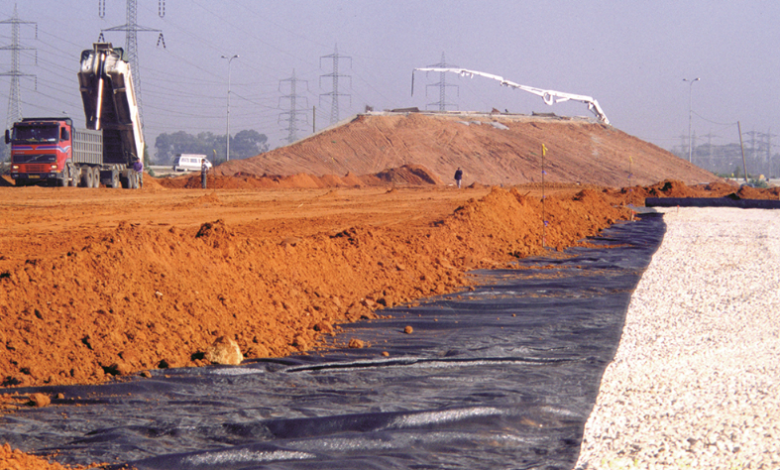
Subgrade soil beneath roadways can become saturated, weakening the pavement structure. Installing a geonet between subgrade and base layers improves water flow, reduces hydrostatic pressure, and distributes traffic loads evenly. This results in longer-lasting roads with lower maintenance costs.
Retaining Walls and Slopes
Retaining structures and slopes often experience water pressure buildup behind the soil mass. Geonets installed behind these structures channel water away efficiently, reduce lateral stress, and prevent soil erosion, enhancing safety and durability.
Embankments and Infrastructure
Geonets are widely used in embankments for highways, bridges, and railways. They provide reinforcement, minimize settlement, and improve load-bearing capacity, ensuring structural integrity under heavy traffic and environmental pressures.
See also: Tech Businesses Are Investing Billions on
Environmental and Erosion Control
In environmentally sensitive areas, geonets help control erosion, stabilize riverbanks, and prevent sediment runoff. Their permeability allows water to flow while retaining soil particles, protecting surrounding ecosystems and reducing the risk of landslides.
Installation Best Practices
Proper installation of geonets is critical for achieving optimal performance.
Site Preparation
Remove rocks, debris, and roots to create geonet a smooth, even surface. Adequate site preparation ensures full contact between the geonet and soil, improving reinforcement and drainage efficiency.
Placement and Overlap
Lay geonets flat, following manufacturer guidelines, and provide sufficient overlap between sections to maintain continuous flow. Secure anchoring ensures stability during backfilling and compaction.
Backfill and Compaction
Use clean, free-draining backfill to maintain flow paths and prevent clogging. Gradual compaction avoids damaging the geonet and ensures that it functions effectively as a reinforcement and drainage layer.
Durability and Maintenance
Geonets are designed to resist UV exposure, chemicals, and biological degradation. Properly installed geonets can last for decades, maintaining their drainage and reinforcement capabilities without requiring frequent maintenance. This durability contributes to sustainable construction practices and long-term cost savings.
Cost Efficiency and Value
Although geonets may require a higher initial investment compared to conventional drainage systems, their long-term benefits outweigh the cost. By preventing water-related soil damage, reducing settlement, and enhancing stability, geonets reduce maintenance expenses and extend the service life of infrastructure projects. Their lightweight nature and ease of installation also minimize labor costs.
Common Installation Mistakes
To maximize performance, avoid these common errors:
• Using inappropriate types of geonets for specific soil or load conditions
• Insufficient site preparation
• Incorrect alignment or insufficient overlap
• Using unsuitable backfill materials that may obstruct flow
Following proper guidelines ensures that geonets function effectively and provide reliable performance over time.
Environmental Benefits
Geonets play a vital role in sustainable construction. They help manage stormwater, reduce erosion, and prevent sediment runoff. Their use in landscaping and urban development projects supports environmental protection and reduces the impact of construction on natural habitats.
Conclusion
Efficient drainage and soil reinforcement are crucial for the longevity and safety of construction projects. Geonets provide an effective solution by channeling water, reinforcing soil, and maintaining structural stability under heavy loads. Their versatility and durability make them ideal for roads, slopes, retaining walls, embankments, and environmentally sensitive areas.
When installed according to best practices, geonets deliver reliable, cost-effective, and long-lasting performance. Incorporating these materials into construction and landscaping projects ensures resilient structures capable of withstanding mechanical and environmental stresses for decades.