Cerebral palsy (CP) is a lifelong neurological condition that affects movement, muscle tone, and coordination. While there is no cure, ongoing support can significantly improve quality of life, independence, and participation in daily activities. People living with cerebral palsy often benefit from a combination of medical care, therapy, adaptive technology, and social support. Understanding the range of support options helps families and caregivers create individualized plans that meet both physical and emotional needs.
Medical and Rehabilitation Support
Medical management is a crucial aspect of ongoing care for individuals with cerebral palsy. Regular check-ups with healthcare providers help monitor physical health, manage symptoms, and prevent secondary complications. Common medical interventions include:
- Medications: Muscle relaxants, anti-seizure medications, or pain management treatments are often prescribed to control spasticity, seizures, or discomfort.
- Surgical Interventions: Orthopedic surgeries, tendon releases, or selective dorsal rhizotomy may be recommended to improve mobility, posture, and reduce pain.
- Regular Therapy Sessions: Physical, occupational, and speech therapy are essential components of ongoing support. These therapies maintain mobility, enhance fine motor skills, improve communication, and prevent secondary health issues.
Regularly accessing these medical and rehabilitation services ensures that individuals with cerebral palsy can maintain their functional abilities and reduce the risk of complications over time.
Physical and Occupational Therapy
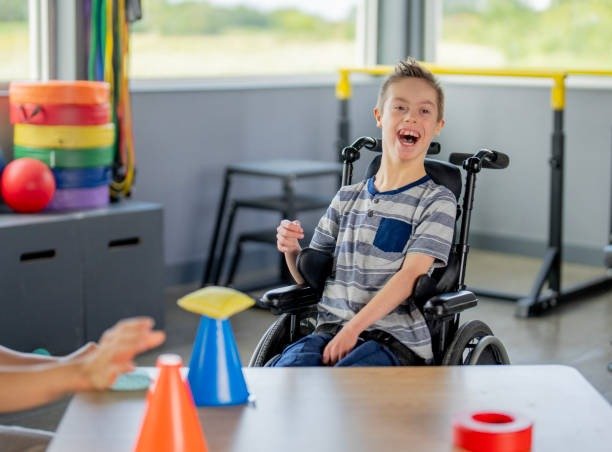
Ongoing physical and occupational therapy is critical for people living with cerebral palsy. Physical therapy focuses on improving strength, flexibility, balance, and overall mobility. This can include exercises to stretch tight muscles, strengthen weakened ones, and practice walking or coordination tasks.
Occupational therapy, on the other hand, emphasizes independence in daily living activities. This includes learning to dress, eat, and perform personal care tasks with adaptive equipment when necessary. Occupational therapists may also introduce modifications at home or school to make tasks more manageable. Consistent therapy helps individuals with cerebral palsy maintain functional abilities and supports long-term independence.
Speech and Communication Support
For some individuals with cerebral palsy, communication can be challenging due to impaired muscle control or speech difficulties. Speech and language therapy can improve verbal communication, while augmentative and alternative communication (AAC) devices—such as communication boards or speech-generating devices—allow non-verbal individuals to express their needs.
Ongoing communication support enhances social interaction, participation in education, and overall quality of life. By providing consistent access to speech therapy and AAC tools, caregivers can help individuals with cerebral palsy maintain meaningful connections with family, friends, and the community.
Assistive Technology and Adaptive Equipment
Assistive technology and adaptive equipment play a key role in supporting independence for people living with cerebral palsy. Mobility aids such as wheelchairs, walkers, and braces help with safe movement, while adaptive seating systems and specialized chairs promote proper posture and reduce the risk of contractures.
Other adaptive tools, including customized utensils, computer interfaces, and environmental control devices, help individuals perform daily tasks more easily. Integrating assistive technology into care plans allows people with cerebral palsy to participate more fully in education, work, and social activities, enhancing both independence and confidence.
See also: Emergency Ambulance and Its Role in Healthcare
Educational and Vocational Support
Access to education and vocational training is an essential part of ongoing support for individuals with cerebral palsy. Individualized education plans (IEPs) ensure that children receive the accommodations and resources they need to succeed in school. These may include classroom modifications, specialized learning tools, or the assistance of a teaching aide.
For adults, vocational training programs and workplace accommodations can provide opportunities for employment and meaningful engagement in the community. Education and vocational support empower people with cerebral palsy to develop skills, achieve goals, and maintain financial independence.
Emotional and Social Support
Living with cerebral palsy can present emotional and social challenges, making counseling, support groups, and peer networks valuable resources. Psychologists or social workers can help individuals and their families cope with stress, build resilience, and address mental health concerns.
Support groups and community organizations offer opportunities for social interaction, friendship, and shared experiences. By connecting with others facing similar challenges, people living with cerebral palsy can foster a sense of belonging and emotional well-being.
Family and Caregiver Support
Ongoing support for families and caregivers is also critical. Caring for someone with cerebral palsy can be physically and emotionally demanding, and access to respite care, training programs, and counseling helps prevent caregiver burnout. Educating caregivers about therapies, assistive devices, and daily management strategies ensures consistent care and promotes better outcomes for individuals with CP.
Conclusion
People living with cerebral palsy benefit from a wide range of ongoing support options that address physical, communication, educational, and emotional needs. Medical management, therapy services, assistive technology, educational accommodations, and social support all play vital roles in enhancing independence and quality of life.
By coordinating these resources and tailoring care plans to individual needs, families, caregivers, and healthcare providers can help people with cerebral palsy achieve their potential and participate fully in daily life. Consistent access to ongoing support ensures not only physical well-being but also social inclusion, emotional resilience, and long-term personal growth.