Introduction
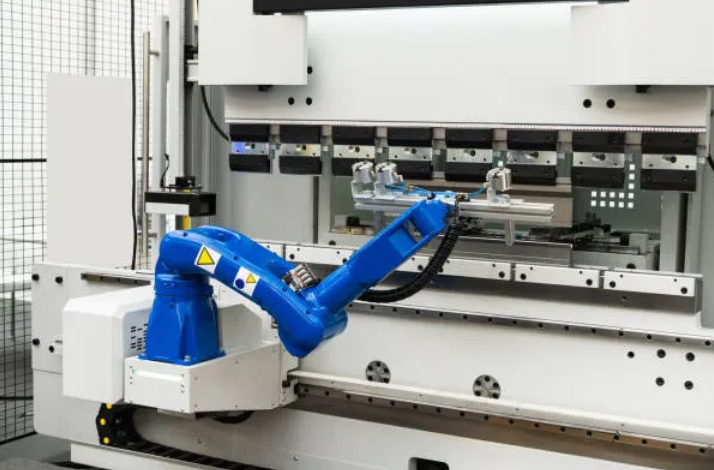
Small and medium-sized fabrication shops are constantly seeking ways to improve precision while managing costs. Affordable CNC press brakes have emerged as a practical solution, enabling these operations to achieve high-quality bends without the overhead of full-scale industrial machinery. While the machine itself is a critical investment, the choice of press brake tooling material is equally important. The right tooling ensures consistent quality, prolongs equipment life, and supports a wide range of metalworking applications.
What Makes Affordable CNC Press Brakes Valuable
Affordable CNC press brakes combine computer control with hydraulic or electric bending systems to deliver accuracy, repeatability, and efficiency. Unlike manual press brakes, these machines automate bend sequences, back gauge positioning, and angle adjustments, reducing human error. For small shops, they provide access to advanced manufacturing capabilities at a manageable cost.
These machines are particularly useful in custom fabrication, prototype development, and small-batch production. By leveraging CNC technology, operators can achieve consistent results even with limited staff, which is a significant advantage for workshops with tight budgets.
The Role of Press Brake Tooling Material
Tooling material refers to the punches and dies used in press brake operations. The selection of tooling material impacts bend accuracy, tool lifespan, and overall machine performance. Poor-quality or unsuitable tooling can lead to press brake tooling material inconsistencies, material damage, and increased wear on the press brake itself.
Investing in the right press brake tooling material ensures that even affordable CNC press brakes perform reliably, delivering high-quality bends over long periods.
Common Press Brake Tooling Materials
- Tool Steel
Tool steel is widely used because of its hardness and resistance to wear. It holds its shape under high pressures, making it suitable for bending materials like mild steel, stainless steel, and aluminum. Its durability makes it ideal for workshops handling a variety of metal types. - Hardened Steel
Hardened steel undergoes heat treatment to increase toughness and prevent deformation. It is excellent for repetitive bending operations and is commonly used in shops with moderate production volumes. - Carbide-Coated Tooling
Carbide coatings provide a harder surface, reducing friction and wear during bending. This is especially useful when working with high-strength metals or thicker sheets, extending the life of the tooling while maintaining precise bend angles. - Alloy Steel
Alloy steels balance strength and ductility, offering flexibility for softer metals like aluminum or thin gauge steels. They are less brittle than tool steel, reducing the risk of cracking or chipping during operations.
See also: Effective Techniques for Soil Drainage and Reinforcement
Benefits of Selecting the Right Tooling Material
Improved Bend Consistency
Consistent tooling ensures uniform bend angles across all parts. For custom projects or small production runs, this consistency is vital to maintain quality and reduce scrap. Using appropriate press brake tooling material minimizes deviations, even in repetitive operations.
Extended Tooling Life
Durable materials withstand repeated use, reducing the frequency of replacements. This is particularly important for smaller operations where downtime can significantly affect productivity and profitability.
Reduced Machine Wear
High-quality tooling distributes force evenly across the workpiece, lessening strain on the press brake’s hydraulic system or mechanical components. This reduces the likelihood of breakdowns and extends the machine’s operational life.
Versatility
Using suitable tooling allows operators to handle a wide range of metals without changing the entire setup. This flexibility is beneficial in small workshops that process different metals for varied projects.
Factors to Consider When Choosing Tooling Material
- Material Thickness
Thicker sheets require more wear-resistant tooling, while thinner materials can be bent using softer tooling. Knowing the range of material thicknesses your shop handles is essential in selecting the right tooling. - Metal Type
The type of metal being bent affects tooling selection. Stainless steel, for example, requires more robust tooling than aluminum to achieve precise bends without damage. - Production Volume
High-volume operations benefit from hardened or carbide-coated tooling due to its longevity, whereas lower-volume shops can use tool steel or alloy steel cost-effectively. - Bend Complexity
Complex bends or intricate profiles may require specialized tooling geometries. Selecting the correct press brake tooling material ensures that even complicated bends are executed accurately.
Best Practices for Optimizing Affordable CNC Press Brakes
Regular Maintenance
Regularly inspect tooling for wear, cracks, and alignment. Lubricate moving components and perform routine maintenance on the press brake to extend both tool and machine lifespan.
Accurate Tooling Alignment
Proper alignment of punches and dies is critical for achieving precise bends and avoiding uneven stress on the machine. Misalignment can cause material distortion and premature tooling wear.
Leveraging CNC Programming
Affordable CNC press brakes are equipped with programmable back gauges and automated bend sequences. Correctly programming the machine and using the right tooling materials ensures repeatable, high-quality results.
Operator Training
Even cost-effective CNC machines require knowledgeable operators. Training in material properties, bend techniques, and proper handling of tooling can significantly enhance productivity and minimize errors.
Applications of Affordable CNC Press Brakes
Custom Fabrication
Small workshops producing brackets, enclosures, or furniture components can achieve precise bends without expensive machinery. Quality press brake tooling material ensures each part meets specifications consistently.
Prototyping
For prototypes, accuracy and flexibility are critical. Durable tooling allows operators to test designs and adjust parameters without sacrificing quality or damaging the machine.
Small-Batch Manufacturing
Affordable CNC press brakes are ideal for small-batch production where quality and efficiency are key. Reliable tooling reduces downtime, allowing consistent output across multiple batches.
Education and Training
Technical schools benefit from affordable CNC press brakes combined with quality tooling. Students gain hands-on experience in bending operations without frequent replacements or costly repairs.
Conclusion
Affordable CNC press brakes have made advanced metal bending accessible to smaller workshops and startups. However, the machine’s performance heavily depends on the quality of press brake tooling material. Selecting the right material, whether tool steel, hardened steel, carbide-coated, or alloy steel, ensures consistent bends, extended tool life, and reduced machine wear.
By combining affordable CNC press brakes with suitable tooling materials, small operations can achieve precision, efficiency, and versatility. Proper maintenance, accurate alignment, and skilled operation further enhance the value of these machines. In the competitive field of small-scale metal fabrication, investing in the right tooling is not just practical—it is essential for long-term success.
Optimizing tooling material and CNC capabilities enables workshops to produce high-quality components reliably while keeping costs manageable. For any fabricator, understanding and implementing these practices ensures that affordable CNC press brakes remain a powerful and cost-effective tool in their production arsenal.