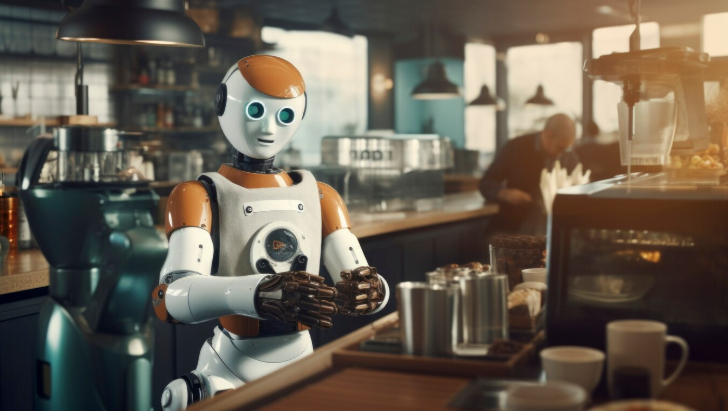
Technology has transformed the coffee industry at an incredible pace. From precision espresso machines to automated ordering systems and AI-driven inventory management, cafés and hospitality businesses now operate with a level of efficiency that would have been unimaginable just a decade ago.
Yet, despite all this innovation, one thing remains clear: human skill still sits at the heart of a truly memorable coffee experience. Technology may enhance consistency and speed, but it’s people who create connection, craft, and character.
The Rise of Smart Coffee Technology
Modern coffee equipment is designed to remove guesswork. Advanced machines can regulate temperature, pressure, and extraction time with remarkable accuracy. Digital tools track customer preferences, streamline workflows, and even predict demand.
For businesses, this brings clear benefits:
- Greater consistency across drinks
- Faster service during peak times
- Reduced waste and improved efficiency
These advancements allow cafés to scale their operations while maintaining a reliable product. However, they also shift the role of the barista rather than replace it.
Why Skill Still Matters Behind the Counter
Even the most advanced machine cannot fully replicate the nuances of a skilled barista.
Human expertise is essential for:
- Adjusting to subtle changes in beans or environment
- Perfecting milk texture and latte art
- Troubleshooting when things don’t go as planned
Coffee is not a static product. Factors like humidity, bean freshness, and grind size can all affect the final result. A trained barista understands how to respond to these variables in real time.
Without that human touch, even the best technology can fall short.
The Emotional Side of Coffee Culture
Coffee is as much about experience as it is about the drink itself. Customers don’t just visit cafés for caffeine; they come for atmosphere, interaction, and familiarity.
A welcoming barista who remembers a regular’s order or offers a genuine recommendation adds a layer of connection that technology cannot replicate.
This emotional element is what turns a functional purchase into a meaningful experience. It’s also what builds loyalty in an increasingly competitive market.
Training as the Bridge Between Tech and Craft
As technology becomes more integrated into coffee service, training becomes even more important, not less.
Baristas need to understand both:
- How to use advanced equipment effectively
- How to maintain the craft and creativity that define great coffee
Investing in Barista training in the north east through trusted providers like Ringtons helps businesses strike this balance. It ensures staff can leverage technology while still delivering a personalised, high-quality experience.
Training also reinforces consistency across teams, which is essential when technology standardises some aspects of production but not all.
Creativity in a Structured Environment
One concern with increased automation is that it may limit creativity. However, in many cases, the opposite is true.
When technology handles repetitive or technical processes, baristas have more freedom to focus on:
- Presentation and latte art
- Customer interaction
- Experimentation with flavours and techniques
This shift allows human skill to shine in areas that machines cannot replicate, enhancing the overall experience rather than diminishing it.
Problem Solving and Adaptability
No system is flawless. Machines require maintenance, systems occasionally fail, and unexpected situations arise.
This is where human skill becomes indispensable. A knowledgeable barista can:
- Identify and resolve issues quickly
- Maintain service quality under pressure
- Adapt to changing circumstances without disrupting the customer experience
Technology may streamline operations, but it’s people who ensure resilience.
See also: Effective Techniques for Soil Drainage and Reinforcement
Balancing Efficiency with Authenticity
The challenge for modern coffee businesses is finding the right balance between efficiency and authenticity.
Too much reliance on technology can make the experience feel impersonal. Too little can lead to inconsistency and inefficiency.
The most successful businesses use technology as a tool, not a replacement. They combine it with skilled staff who bring warmth, expertise, and personality to the service.
Bringing It All Together
The coffee industry is not choosing between humans and technology. It’s learning how to integrate the two in a way that enhances both.
Machines can deliver precision and efficiency, but it’s the barista who brings the experience to life. From adjusting the perfect shot to creating a genuine connection with customers, human skill adds depth and meaning that no system can replicate.
In a tech-driven world, it’s this combination of innovation and human touch that will define the cafés people return to again and again.