Buying a property with a septic tank or installing one on your land means you are responsible for maintaining your own wastewater treatment system. Unlike homes connected to the main sewer network, septic systems require a certain level of care and awareness to function properly. When managed well, they can operate efficiently for decades, but neglecting maintenance can lead to unpleasant and expensive problems.
Understanding a few key aspects of septic tank ownership will help you protect both your system and the surrounding environment.
How a Septic Tank System Works
A septic tank is designed to treat wastewater from your home in a simple but effective way. Water from sinks, toilets, showers and appliances flows into the tank, where natural processes begin separating the waste.
Inside the tank, heavier solids settle at the bottom as sludge while oils and grease float to the top as scum. The partially treated liquid in the middle then flows into a drainage field or soakaway, where the surrounding soil completes the treatment. Because the system relies on gravity, natural bacteria and soil filtration, maintaining balance inside the tank is essential. Introducing excessive chemicals or non-biodegradable materials can disrupt the process and lead to system failure.
Septic Tank Pumping Services
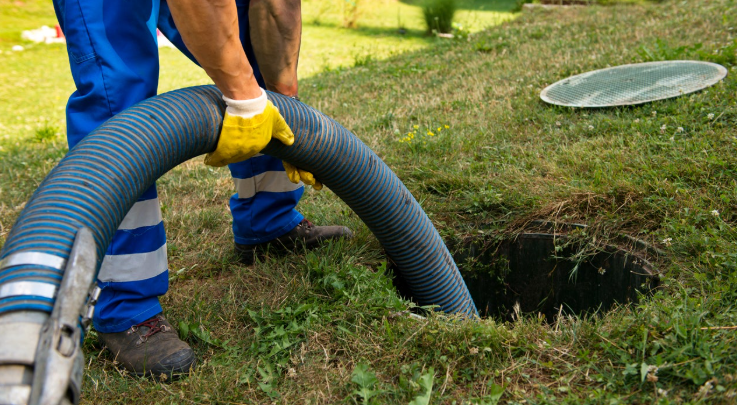
One of the most important maintenance tasks is arranging regular septic tank pumping services. Over time, the sludge and scum layers within the tank accumulate, reducing the tank’s ability to treat wastewater effectively. Professional pumping removes this buildup using specialised vacuum equipment, restoring the tank’s capacity and preventing blockages or overflow. Without this service, solids can escape into the drainage field, potentially damaging the entire system and leading to costly repairs.
Most septic tanks require pumping every three to five years, although households with higher water usage or smaller tanks may need it more frequently. Scheduling regular pumping ensures the system continues to operate efficiently and helps identify potential issues before they become serious problems.
Being Careful About What Goes Down the Drain
What you flush or pour down the drain has a direct impact on the health of your septic system. Septic tanks rely on natural bacteria to break down organic waste, so introducing harmful substances can disrupt this process.
Items that should never enter a septic system include wipes (even those labelled “flushable”), sanitary products, cooking grease, coffee grounds and harsh chemical cleaners. These materials can cause blockages, slow bacterial activity or accumulate in the tank too quickly.
Using septic-friendly household products and being mindful of waste disposal can significantly extend the life of your system.
See also: Top 5 Identity Verification Service Providers for Businesses
Managing Water Usage
Excessive water entering the tank can overwhelm the system and prevent it from treating waste effectively. Spreading out activities such as laundry, dishwashing and long showers helps prevent sudden surges of water that could flush solids into the drainage field.
Fixing leaking taps or toilets is also important. Even small leaks can add thousands of litres of unnecessary water to the system over time, reducing its efficiency and increasing the need for maintenance.
Protecting the Drainage Field
The drainage field (also called a soakaway or leach field) is a crucial part of the septic system. It allows wastewater to filter slowly through the soil, where natural microbes remove harmful bacteria and nutrients. To protect this area, avoid parking vehicles or placing heavy structures on top of it, as compacted soil can interfere with drainage. Planting trees too close can also cause problems because roots may grow into pipes and block them. Keeping the drainage field clear and undisturbed helps ensure the system continues working properly.
Final Thoughts
Owning a septic tank requires a bit more attention than a standard sewer connection, but with proper care, it can provide reliable wastewater treatment for many years. By taking a proactive approach to maintenance, homeowners can avoid costly problems while ensuring their septic system operates safely and efficiently.